The problem
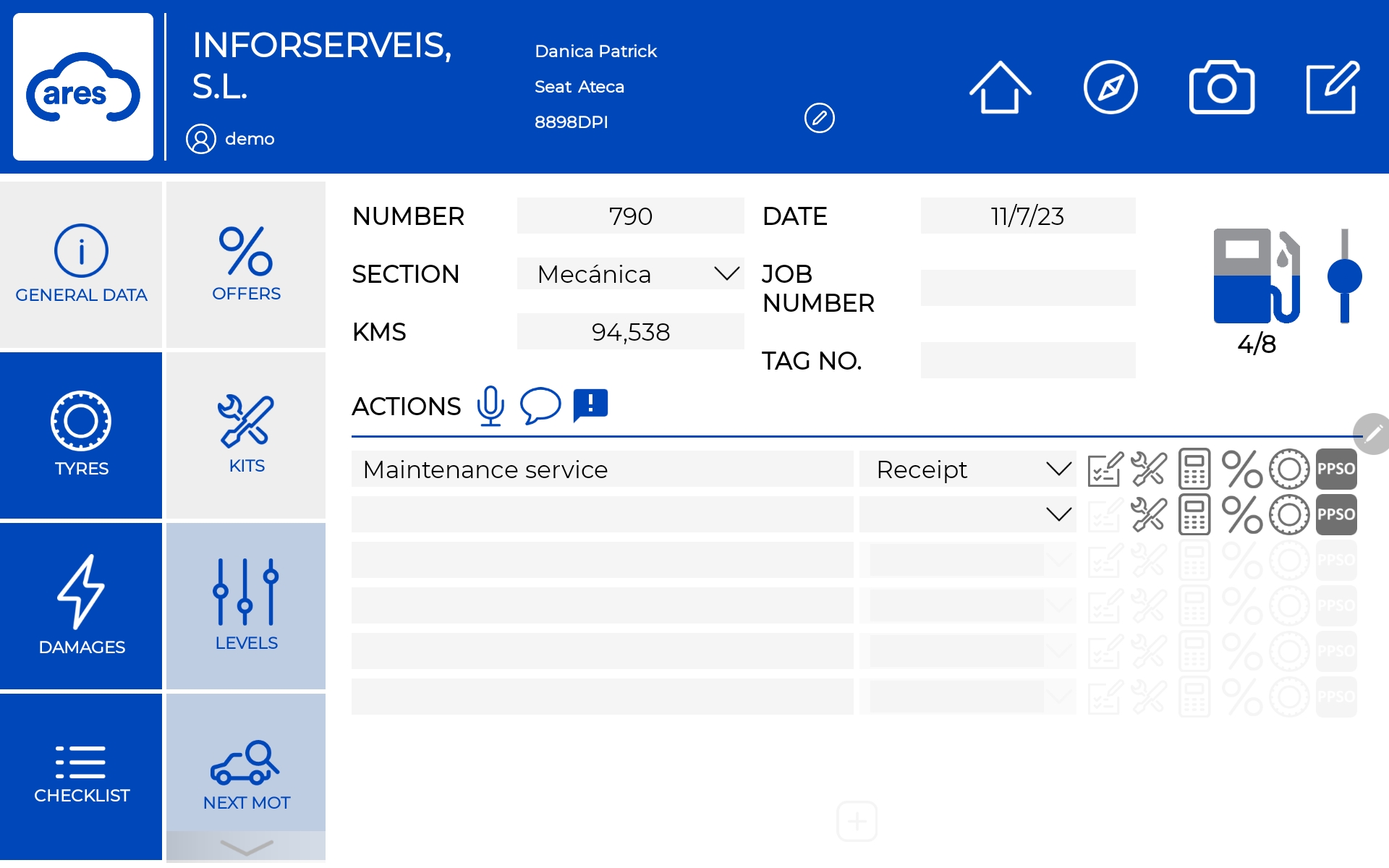
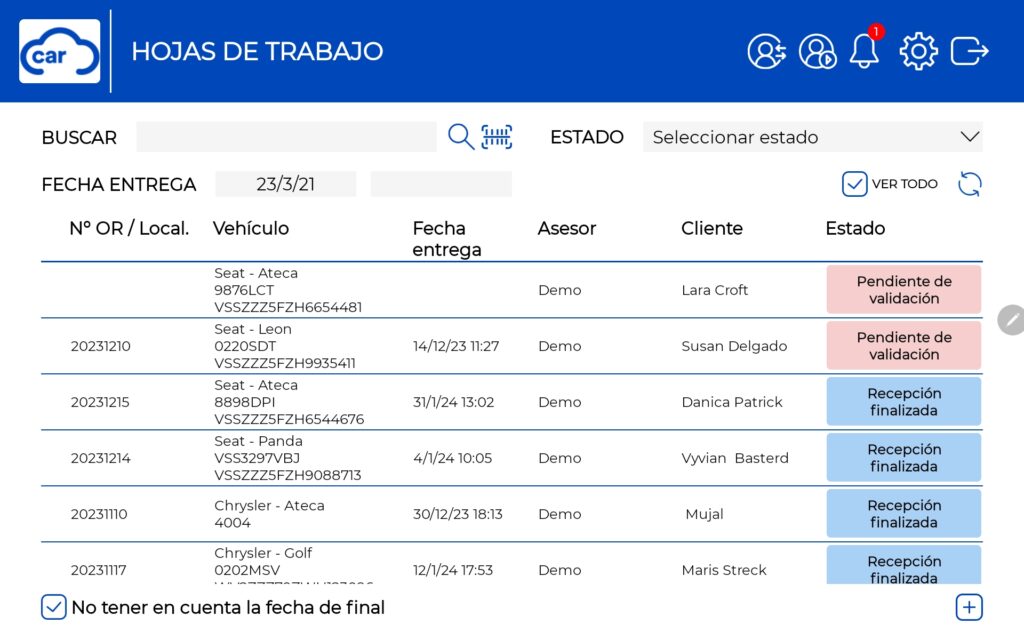
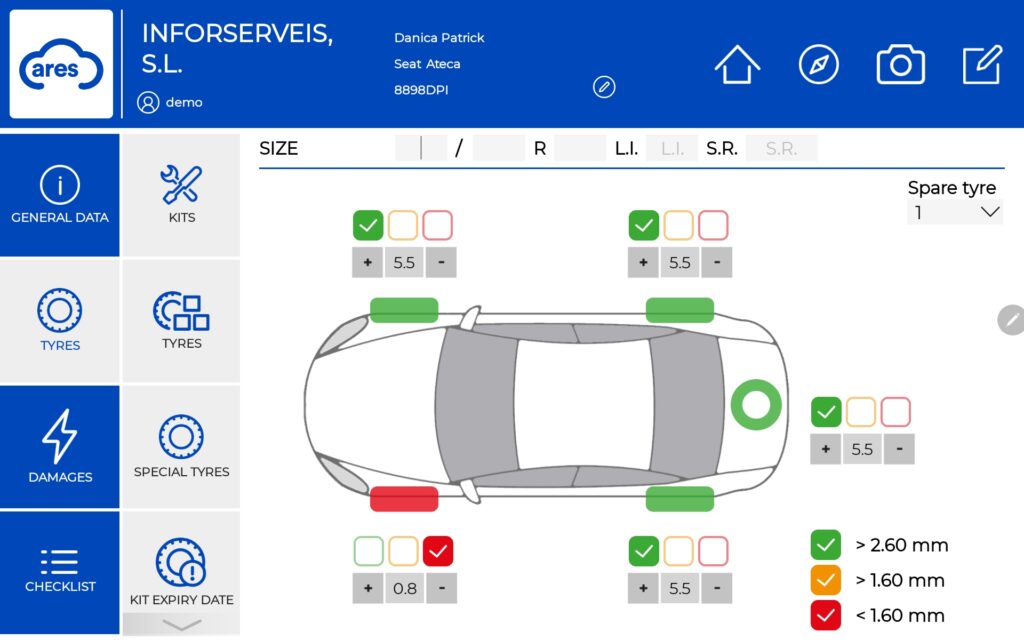
CAR‘s SaaS platform relies on data capture at the moment a vehicle is received — its condition and a full record of every action carried out on it — information that is essential to automating the rest of the platform. This capture had historically been done from a tablet, used by both the reception assistant and the mechanic, running on an interface over 10 years old.
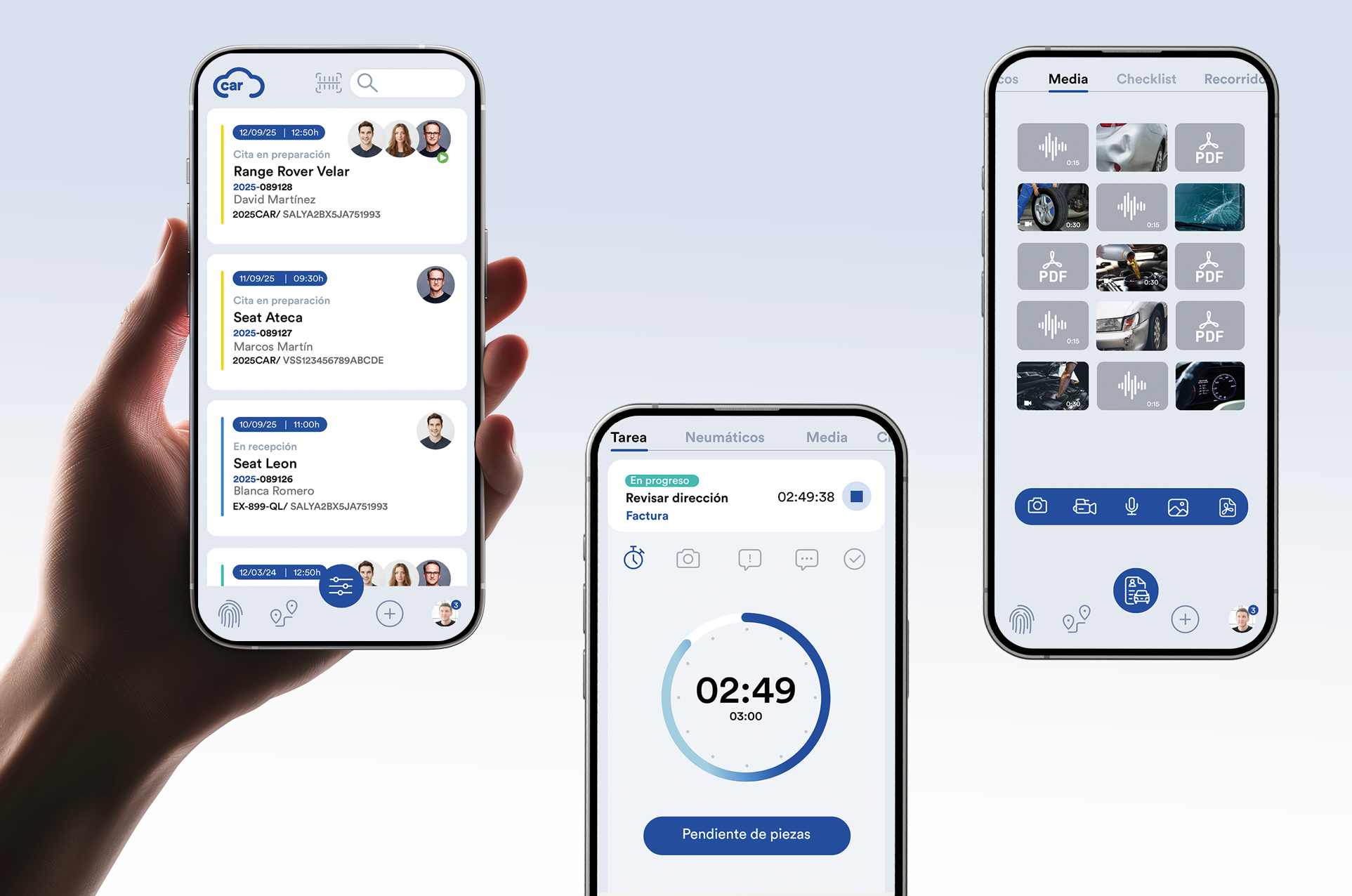
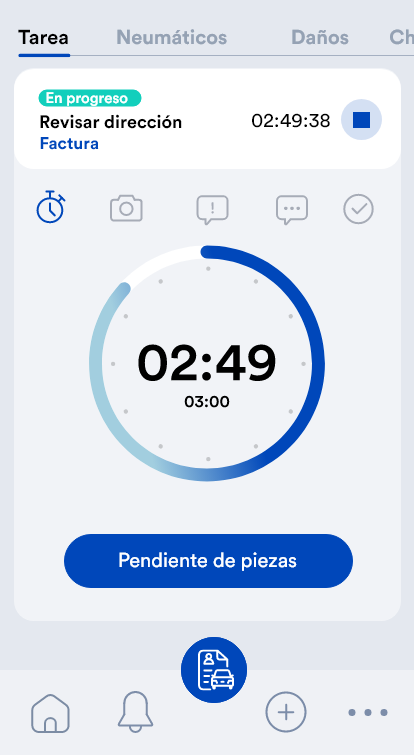
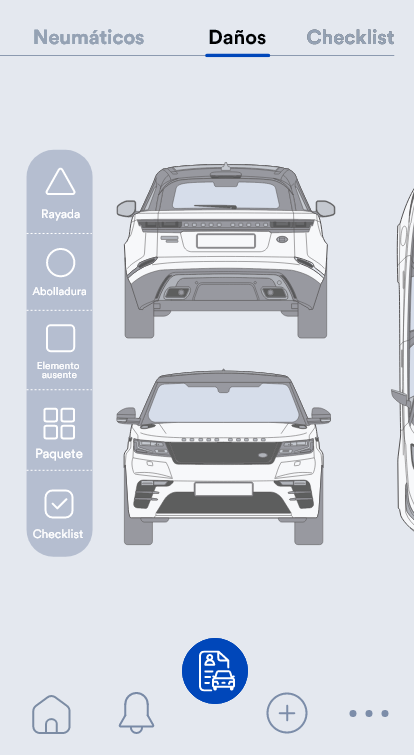
The Sales team identified the need for a more agile form factor than the tablet for this daily workflow, leading to the decision to build a cross-platform mobile app (iOS and Android) on Kotlin Multiplatform, aimed at modernising the interface and improving the user experience compared to the existing system
The process
I led product design over 8 months, working directly with Product, Sales and Development. The project started with an analysis of the strengths and friction points of the existing tablet software, which formed the basis for defining requirements for the new design.
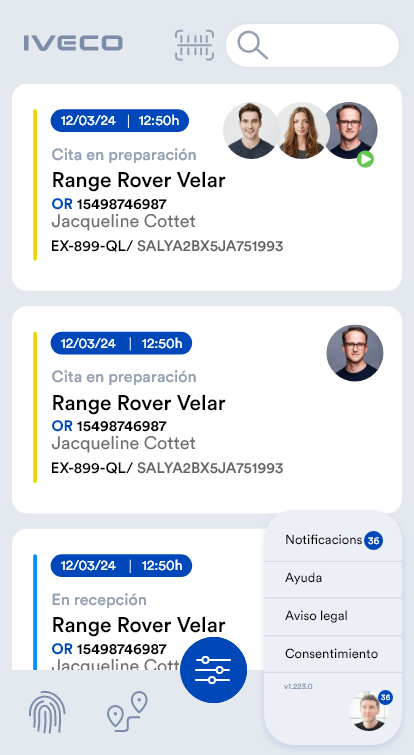
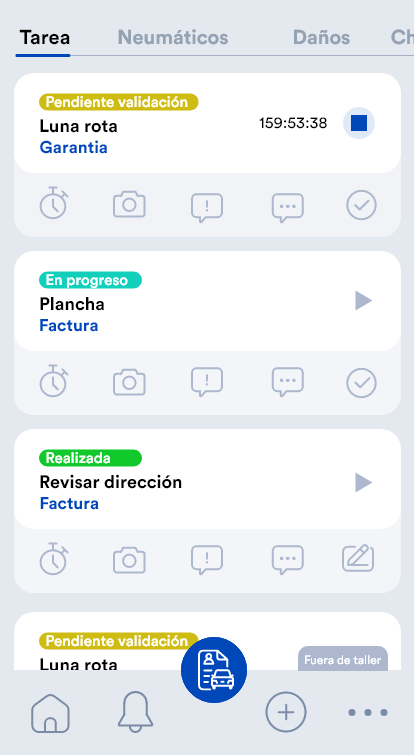
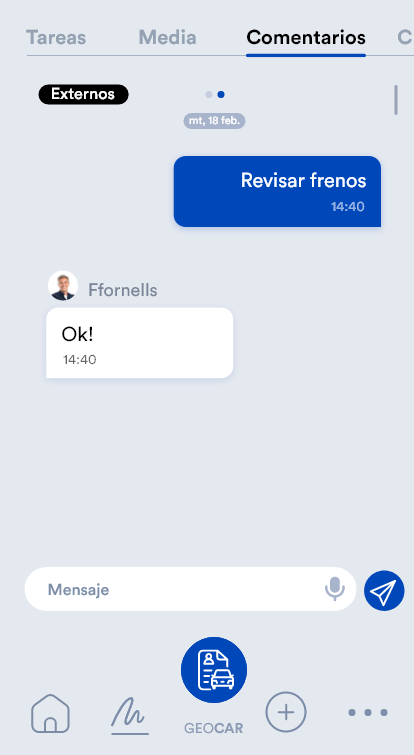
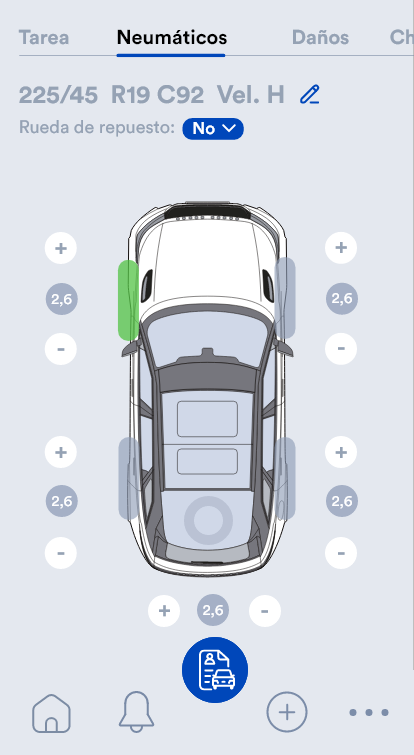
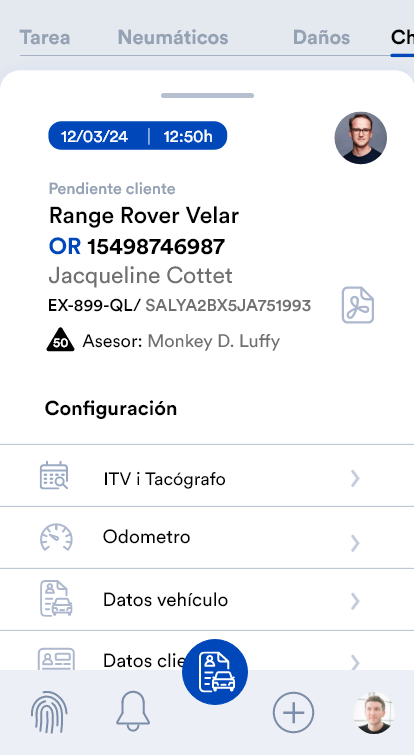
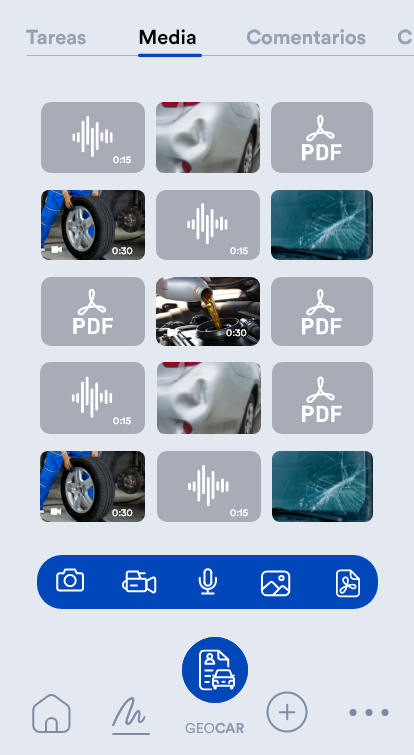
The main design challenge was one of information architecture: fitting all the information critical to the reception and repair workflow (vehicle condition, photo evidence, action logs) into a significantly smaller viewport, without compromising readability or introducing additional navigation friction. I designed every flow from scratch, without inheriting patterns from the tablet, prioritising a more modern and intuitive interaction model than the legacy system.
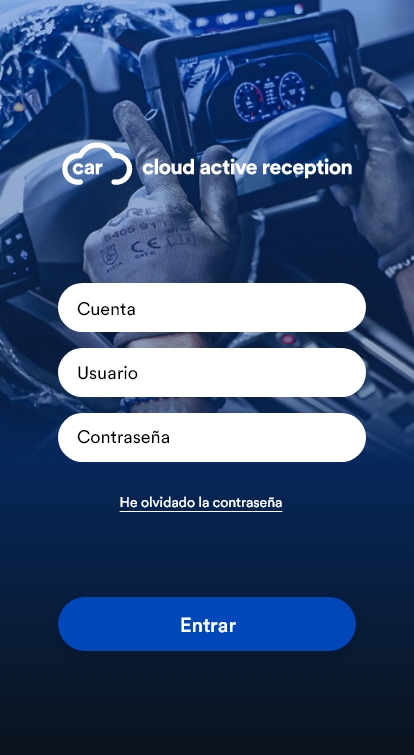
The app reuses the same white-label system defined for Yauty: it adopts each client’s brand color as an accent over the base interface, keeping brand identity consistent across every touchpoint in the suite — desktop backoffice and mobile app alike — without duplicating brand design work per product.
I worked continuously with the development team to validate the design’s technical feasibility in a genuine cross-platform environment, ensuring UI consistency between iOS and Android without duplicating design or development effort — a key requirement of the Kotlin Multiplatform approach.
The result
The product is currently in an active pilot phase with real workshops. Feedback gathered so far reflects a high level of satisfaction: for mechanics, being able to work directly from a mobile device represents a major improvement over the tablet, in both speed and day-to-day usability.
Ahead of its planned market launch, the project carries high expectations within the company as the next generational step for the core tool used on the workshop floor.